

Master of Nocturnal Adaptations
The Enigmatic Nightjar
Kube Yini
The nightjar, a member of the Caprimulgidae family, is an intriguing bird renowned for its nocturnal habits and remarkable adaptations. These medium-sized birds, with their cryptic plumage and elusive behavior, have fascinated ornithologists and bird enthusiasts alike. Spanning various species across different continents, nightjars exhibit a range of fascinating traits that contribute to their survival and success in diverse environments.
Physical Characteristics and Adaptations
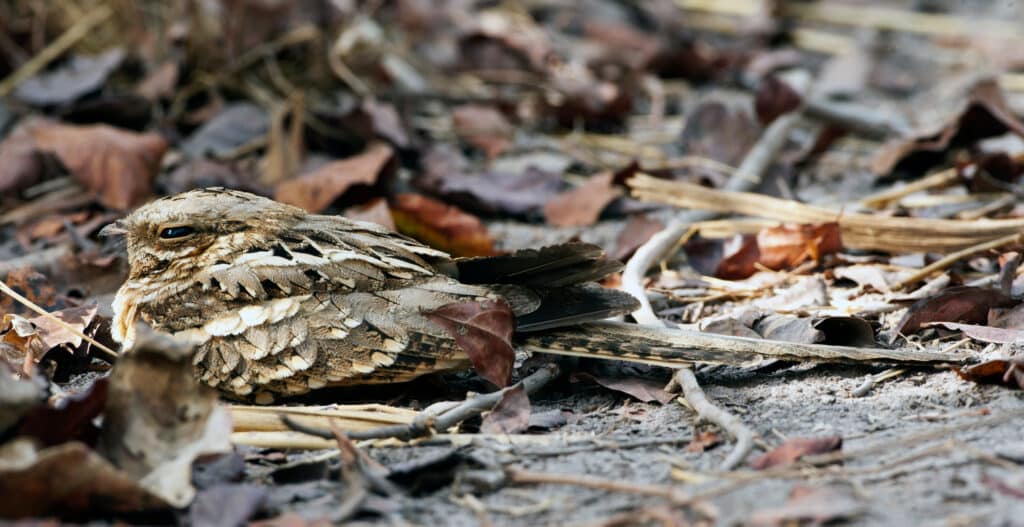
Nightjars are characterized by their mottled brown, grey, and black feathers, which provide exceptional camouflage against the forest floor, leaf litter, or scrubland. This cryptic coloration is vital for avoiding predators during the day when nightjars remain largely inactive. Their large, gaping mouths are another distinctive feature, adapted for capturing insects mid-flight. The bristles surrounding their mouths enhance their ability to detect and trap prey, acting like a net as they fly through swarms of insects.
One of the most remarkable adaptations of nightjars is their exceptional vision. Their large eyes, positioned on the sides of their heads, provide a wide field of view, crucial for detecting predators and locating prey in low-light conditions. The tapetum lucidum, a layer of tissue in the eyes, enhances their night vision by reflecting light back through the retina, increasing their sensitivity to dim light.
Nocturnal Behavior and Feeding
Nightjars are predominantly crepuscular or nocturnal, meaning they are most active during dawn, dusk, and nighttime. Their diet primarily consists of nocturnal insects such as moths, beetles, and flying ants. Using their agile flight and keen eyesight, nightjars catch insects on the wing, often performing impressive aerial maneuvers. Some species, like the Common Nighthawk (Chordeiles minor), are known for their erratic, acrobatic flight patterns while foraging.
The feeding behavior of nightjars is closely linked to their breeding habits. During the breeding season, male nightjars engage in elaborate display flights and vocalizations to attract mates. These displays often involve rhythmic wing clapping, dives, and a variety of calls, which can be heard during the twilight hours. The distinctive calls of different nightjar species are used by ornithologists to identify and study these elusive birds in the wild.
Breeding and Nesting
Nightjars typically nest on the ground, relying on their cryptic plumage for concealment. They do not build traditional nests; instead, they lay their eggs directly on the bare ground or among leaves and debris. This strategy, combined with their excellent camouflage, helps protect the eggs and chicks from predators. The eggs are usually well-camouflaged, with coloration that blends seamlessly with the surrounding environment.
Female nightjars are known for their strong maternal instincts. They remain motionless and rely on their camouflage to avoid detection when incubating eggs. If threatened, a female nightjar may perform distraction displays, feigning injury to lure predators away from the nest. Once the chicks hatch, they are precocial, meaning they are relatively mature and mobile shortly after birth. This early mobility allows the chicks to disperse and hide, further increasing their chances of survival.
Conservation Status and Threats
While some nightjar species are abundant and widespread, others face significant conservation challenges. Habitat loss due to deforestation, agricultural expansion, and urbanization poses a major threat to nightjar populations. Additionally, light pollution can disrupt their nocturnal foraging and breeding behaviors. Conservation efforts aimed at preserving natural habitats and reducing light pollution are crucial for ensuring the survival of these enigmatic birds.
According to the International Union for Conservation of Nature (IUCN), several nightjar species are listed as species of concern. For instance, the European Nightjar (Caprimulgus europaeus) is classified as Near Threatened, primarily due to habitat loss and changes in agricultural practices. Effective conservation strategies, including habitat restoration and public awareness campaigns, are essential to protect these species and their habitats.
Conclusion
The nightjar remains one of the most enigmatic and captivating birds of the nocturnal world. Its remarkable adaptations, including cryptic plumage, exceptional night vision, and aerial agility, make it a master of the night sky. Understanding and conserving these unique birds requires ongoing research and concerted conservation efforts to mitigate the threats they face. As we continue to unravel the mysteries of the nightjar, we gain deeper insights into the complexities of nocturnal ecosystems and the delicate balance of nature.
