

THE COMMUNICATION OF GIRAFFES
Without Saying a Word
Kube Yini
Giraffes (Giraffa camelopardalis) are iconic symbols of Africa’s savannas, known for their towering stature and distinctive spotted patterns. Beyond their physical appearance, giraffes possess a complex and intriguing communication system that is vital for social interaction, reproduction, and survival within their herds.
Giraffes are social animals that live in loose, fluid groups called towers or herds, typically composed of related females and their offspring. Adult males, known as bulls, may join these groups temporarily during mating season or form bachelor herds. Communication among giraffes primarily involves visual signals, vocalizations, and tactile interactions.
Visual communication plays a significant role in giraffe behavior. Their long necks and height enable them to see over long distances, facilitating visual contact with other individuals. Giraffes use a variety of body postures and movements to convey messages such as dominance, submission, and alarm. For instance, a dominant giraffe may stand tall with its neck held high, while a subordinate giraffe might lower its head and neck.
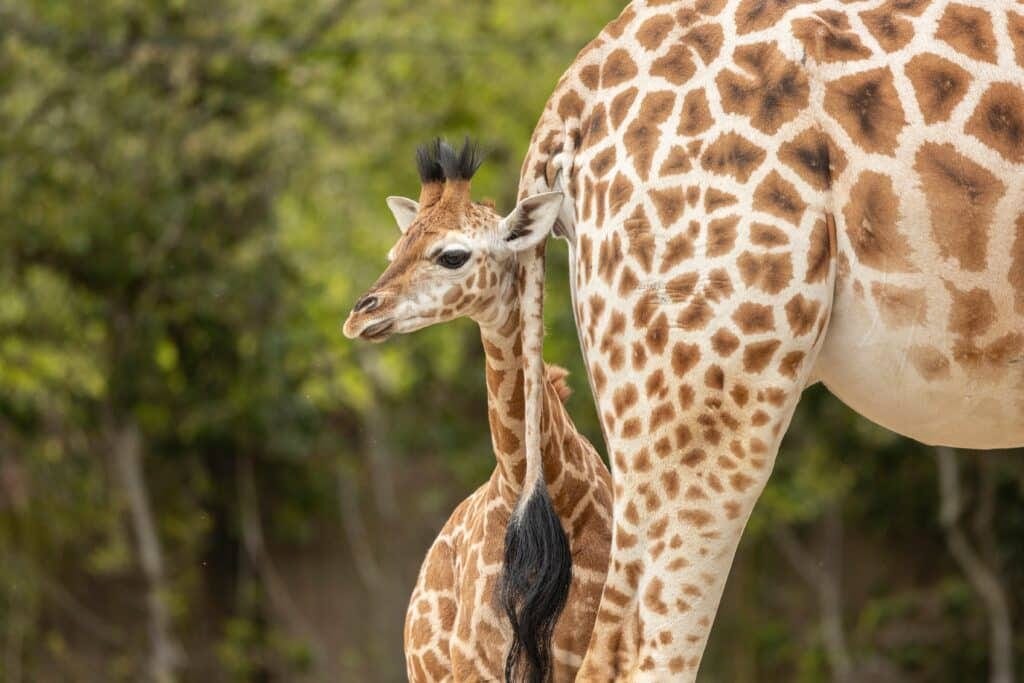
Facial expressions also play a crucial role in giraffe communication. They have large eyes and expressive faces that can convey emotions and intentions. When alarmed, giraffes may widen their eyes and ears, signaling potential danger to the rest of the herd. Conversely, relaxed facial expressions and gentle head movements often indicate contentment and social bonding.
Vocalizations are another important aspect of giraffe communication, although they are less frequently observed compared to visual signals. Giraffes produce low-frequency sounds that are audible over long distances, particularly during mating rituals and when calves are separated from their mothers. These vocalizations include snorts, grunts, and bleats, each serving specific communicative purposes within the herd.
Tactile communication is significant among giraffes, particularly during social interactions and bonding. They engage in necking behavior, where individuals gently rub and press their necks against each other. Necking serves multiple functions, including establishing dominance, strengthening social bonds, and resolving conflicts within the herd. It is also observed during courtship and mating rituals, where bulls may engage in more vigorous necking displays to establish dominance and attract females.
Research into giraffe communication has revealed fascinating insights into their social dynamics and behavior. Studies have shown that giraffes exhibit individual recognition and preferential associations within their herds, suggesting complex social structures akin to those seen in elephants and primates. Furthermore, their ability to communicate across long distances through visual and vocal signals helps them coordinate group movements, detect predators, and locate water and food sources in their vast habitats.
Conservation efforts for giraffes increasingly recognize the importance of understanding their communication behaviors and social needs. Habitat loss, human-wildlife conflict, and poaching pose significant threats to giraffe populations across Africa. By studying and protecting their communication strategies, researchers and conservationists can better safeguard giraffe populations and their ecological roles within savanna ecosystems.
In conclusion, giraffes’ communication is a sophisticated system that encompasses visual signals, vocalizations, and tactile interactions. These behaviors facilitate social cohesion, reproductive success, and survival in their dynamic and often challenging environments. Continued research and conservation efforts are essential to ensure the long-term survival and well-being of these charismatic and unique African mammals.
