

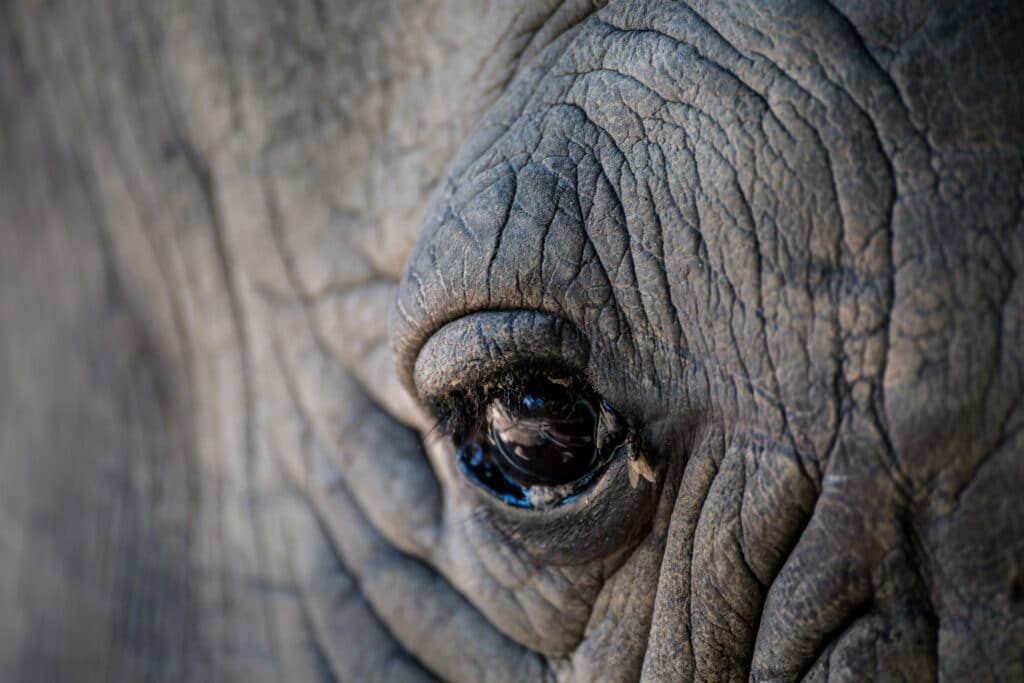
OUR WHITE RHINOS
Stewards of Precious Lives
Kube Yini
The African white rhinoceros (Ceratotherium simum) is one of the largest land mammals and a symbol of Africa’s wildlife heritage. Known for its impressive size, formidable horns, and gentle demeanor, the white rhino plays a crucial role in its ecosystem as a grazer and a keystone species.
White rhinos are primarily found in southern and eastern Africa, inhabiting grasslands, savannas, and woodland areas. They are distinguishable from their close relative, the black rhinoceros, by their larger size and broad, square-shaped lips adapted for grazing on grasses. Adult white rhinos can weigh between 1,800 to 2,500 kg and reach lengths of up to 4.2 meters, with females typically smaller than males.
The white rhino’s most notable feature is its prominent horn, which is made of keratin—the same substance as human hair and nails. Both male and female white rhinos have two horns, with the front horn generally being longer and averaging around 60 cm in length. These horns are highly coveted in some cultures for their perceived medicinal properties, despite there being no scientific evidence to support these claims.
Despite conservation efforts, white rhinos face severe threats, primarily from poaching for their horns. Poaching activities have decimated populations across Africa, driven by the illegal trade in rhino horn, which is valued in traditional Asian medicine and as a status symbol. Poaching statistics reveal a grim reality: in recent years, thousands of rhinos have been killed annually, pushing these magnificent creatures to the brink of extinction.
Conservation efforts are crucial to protecting the remaining white rhino populations. These efforts include intensive anti-poaching patrols, habitat protection, community involvement, and international cooperation to combat illegal wildlife trafficking. Rhino sanctuaries and reserves play a vital role in providing safe havens where rhinos can thrive under the watchful eye of dedicated conservationists and rangers.
As of the latest estimates, there are approximately 18,000 white rhinos left in the wild, with the majority concentrated in South Africa, Namibia, Zimbabwe, and Kenya. In captivity, white rhinos are bred in zoos and conservation centers worldwide, serving as a genetic reservoir and potential source for reintroduction into protected areas.
Interesting little-known facts about white rhinos include their social behavior. They are often found in groups called crashes, which can consist of females and their offspring. Adult males are generally solitary, except during mating seasons when they seek out females in estrus. Despite their formidable appearance, white rhinos are herbivores with a diet consisting mainly of grasses, which they consume in large quantities to sustain their massive bodies.
In conclusion, the African white rhinoceros represents both the resilience of nature and the urgent need for conservation action. With concerted efforts to combat poaching, protect habitats, and raise awareness about their plight, there is hope for the survival of this iconic species. By supporting conservation initiatives and advocating for stronger wildlife protection laws, we can ensure that future generations will continue to marvel at the majesty of the African white rhino in its natural habitat.
