

THE LITTLE GUYS
Rich Diversity
Kube Yini
In the region surrounding t Kube Yini in KwaZulu-Natal, South Africa, the insect life thrives in a diverse and ecologically rich environment. This area, characterized by its varied habitats including savannas, woodlands, and wetlands, supports a remarkable diversity of insect species that play integral roles in the ecosystem’s functioning.
One of the prominent insect groups in the region is the beetles (Order Coleoptera), which exhibit a staggering diversity both in terms of species richness and ecological roles. Beetles are known to occupy various niches, from ground-dwelling scavengers and predators to herbivores that feed on plant matter. Their adaptability and sheer numbers make them vital components of the food web, influencing nutrient cycling and decomposition processes.
Another notable insect group in the area is the butterflies and moths (Order Lepidoptera), renowned for their striking diversity in coloration and wing patterns. Butterflies are often associated with specific plant species, forming intricate relationships as pollinators and indicators of ecosystem health. Moths, on the other hand, play critical roles in nocturnal pollination and serve as prey for numerous insectivorous birds and mammals.
Ants (Order Hymenoptera) are ubiquitous in KwaZulu-Natal’s ecosystems, forming complex societies that contribute significantly to soil health and nutrient distribution. They are key players in seed dispersal and are known for their remarkable ability to modify their environments through nest-building activities.
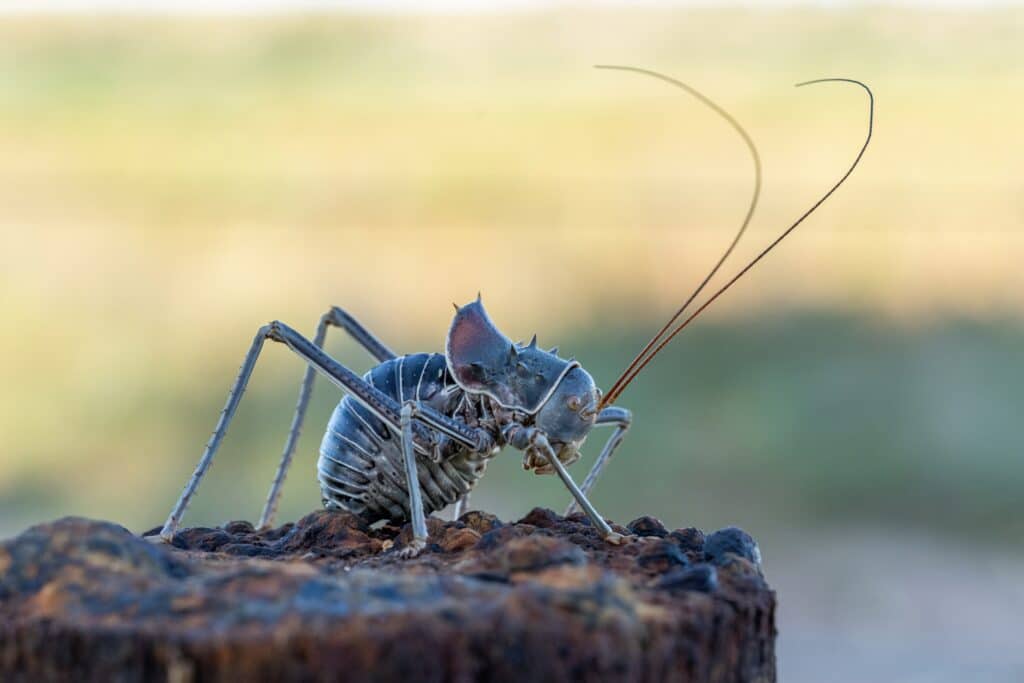
The region also boasts a rich diversity of grasshoppers, crickets, and katydids (Order Orthoptera), which are vital herbivores in the savanna and grassland habitats. These insects serve as important prey items for numerous insectivorous birds, reptiles, and mammals, contributing to the overall biodiversity and trophic dynamics of the ecosystem.
In terms of scientific research and conservation, studies conducted in and around Kube Yini focus on understanding insect biodiversity, ecological interactions, and the impacts of environmental change. Research efforts often involve biodiversity surveys, monitoring of insect populations, and investigating the effects of habitat disturbance and climate change on insect communities.
Conservation initiatives in the region aim to protect insect diversity by preserving their habitats, reducing habitat fragmentation, and promoting sustainable land management practices. These efforts are crucial for maintaining ecosystem stability and resilience in the face of ongoing environmental challenges.
Statistics on insect diversity in the Kube Yini area underscore its importance as a biodiversity hotspot. While specific numbers can vary, studies indicate that the region supports hundreds to thousands of insect species, each playing a unique and essential role in ecosystem functioning. These insects collectively contribute to pollination, nutrient cycling, pest control, and serve as food sources for numerous other organisms, highlighting their critical importance in maintaining ecological balance.
In conclusion, the insect life in the region surrounding Kube Yini in KwaZulu-Natal is a testament to the area’s biodiversity and ecological richness. Through scientific research, conservation efforts, and public awareness, we can ensure the continued protection and appreciation of these invaluable insect communities and their habitats for generations to come.
