

RED IVORY TREE
A Jewel of Nature’s Legacy
Kube Yini
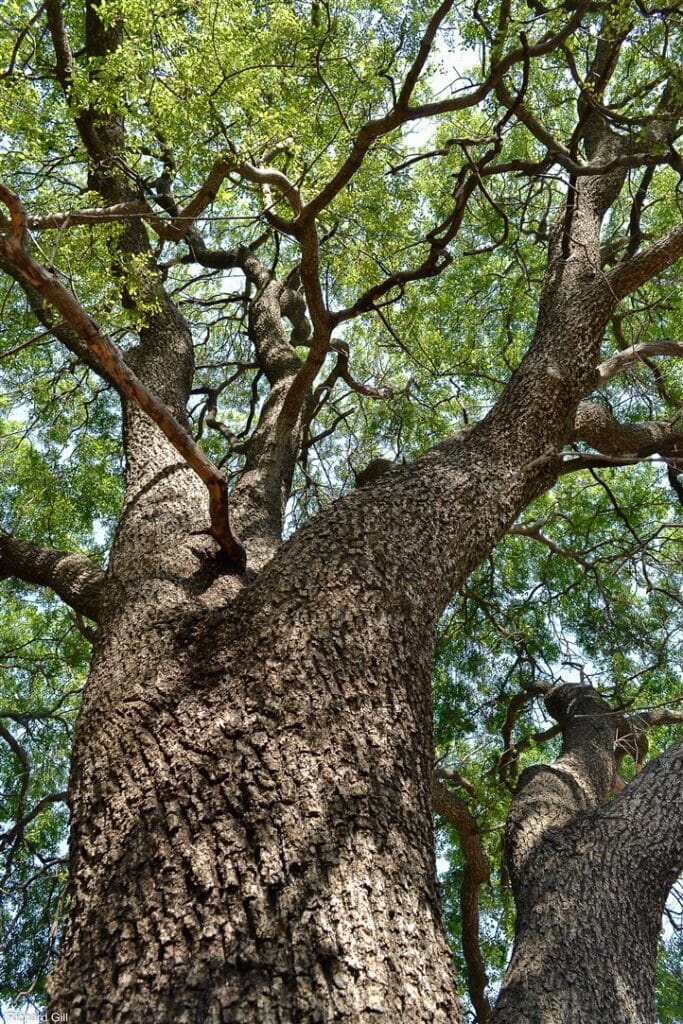
Nestled deep within the verdant landscapes of South Africa lies an arboreal treasure known as the Red Ivory tree (Berchemia zeyheri). This majestic species, celebrated for its rich cultural significance and ecological importance, stands as a testament to the intricate relationship between nature and humanity.
Description and Habitat
The Red Ivory tree, scientifically classified as Berchemia zeyheri, is a member of the Rhamnaceae family, characterized by its robust stature and striking red wood. It typically grows up to 20 meters in height, adorned with glossy green leaves that shimmer under the African sun. Its distinctive reddish-brown bark, often mottled with patches of grey, serves as a protective cloak against the elements and herbivorous predators.
Native to the forests and woodlands of South Africa, particularly in the eastern regions of Mpumalanga, KwaZulu-Natal, and Limpopo, the Red Ivory tree thrives in well-drained soils and humid conditions. It plays a vital role in the ecosystem, providing shelter and sustenance to numerous species of birds, insects, and mammals.
Conservation Status and Legal Protection
Despite its cultural and ecological significance, the Red Ivory tree faces significant threats from habitat loss and illegal logging. Recognizing its importance, South Africa has enacted stringent conservation measures to safeguard this species. The tree is classified under national legislation, such as the National Forests Act, which imposes severe penalties for unauthorized felling. Offenders can face substantial fines or even imprisonment, reflecting the government’s commitment to preserving biodiversity and natural heritage.
Cultural and Historical Significance
Beyond its ecological role, the Red Ivory tree holds profound cultural significance among indigenous communities, particularly the Zulu people of South Africa. Traditionally, the tree’s wood was revered for its durability and rich color, making it highly sought after for crafting ceremonial objects and intricate carvings. Its use in rituals and as a symbol of strength and resilience underscores its importance in Zulu folklore and traditions.
Medicinal Uses and Ethnobotanical Insights
The Red Ivory tree is not merely a source of cultural reverence but also a repository of medicinal properties known to traditional healers. Various parts of the tree, including the bark and leaves, are utilized in indigenous medicine to treat ailments ranging from digestive disorders to skin conditions. Scientific research has validated some of these traditional uses, revealing bioactive compounds with potential therapeutic benefits.
Future Prospects and Conservation Efforts
As global awareness of biodiversity conservation grows, efforts to protect the Red Ivory tree have intensified. Collaborative initiatives between government agencies, conservation organizations, and local communities aim to promote sustainable management practices and restore degraded habitats. These endeavors not only safeguard the tree’s existence but also enhance ecosystem resilience and support livelihoods dependent on forest resources.
In conclusion, the South African Red Ivory tree stands as a poignant symbol of biodiversity, cultural heritage, and sustainable living. Its journey from ancient forests to modern conservation efforts underscores the delicate balance between human needs and ecological integrity. By preserving this arboreal jewel, we honor the intricate web of life that sustains us and enriches our collective heritage.
